
Container Freight Rates Rising
Maritime transport under renewed pressure from demand and capacity imbalance
The Strait of Hormuz is once again at the center of global geopolitical dynamics. Following weeks of heightened tensions between the United States and Iran, the mid-June agreement has reopened one of the world’s most strategic maritime corridors, essential for global energy flows and international supply chain stability. However, despite signs of de-escalation, the logistics sector continues to operate in an environment marked by uncertainty and elevated geopolitical risk.
Recovering demand and constrained capacity
The rise in container freight rates is driven by stronger maritime transport demand compared to previous months, particularly along Asia–Europe and Transpacific routes. At the same time, shipping lines continue to adopt a cautious approach to capacity management, reducing sailings and reallocating vessels to maintain tighter control over available supply.
This mismatch between demand and capacity has contributed to higher freight levels across both long-term contracts and the spot market. However, market conditions remain uneven across trade lanes, with certain routes experiencing more pronounced increases than others.
Beyond market fundamentals, geopolitical factors and disruptions along key strategic routes continue to influence maritime transport. Diversions, longer transit times, and reduced effective capacity availability have further supported freight rate increases.
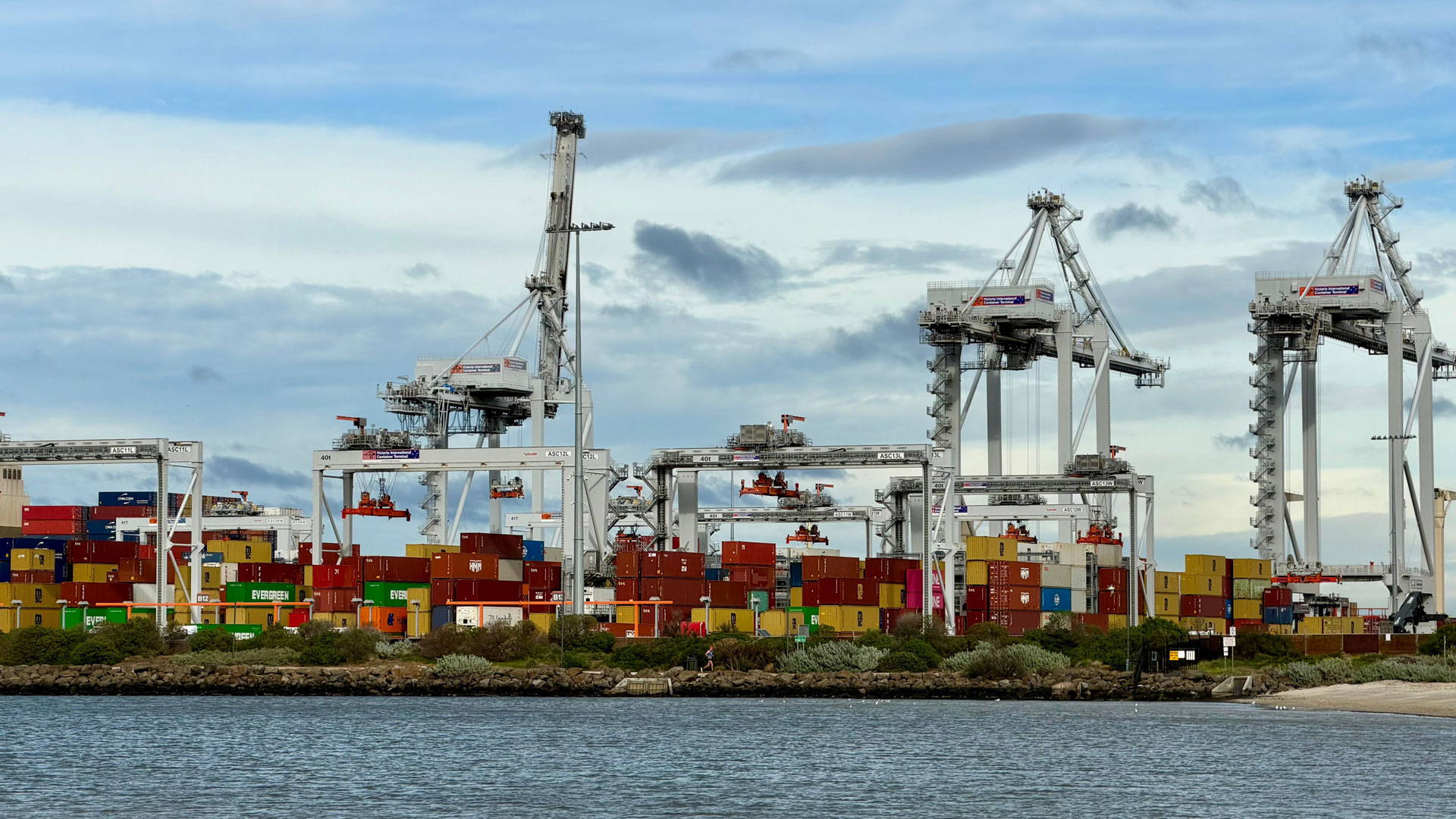
Impacts on international logistics
Shipping companies are responding with blank sailings and operational adjustments in an effort to stabilize the market. Nevertheless, the combination of recovering demand and a still-fragile logistics network keeps volatility elevated across the sector.
For international logistics operators and maritime transport stakeholders, the return of freight rates to their highest levels in months translates into increased complexity in shipment planning. Cost management, space availability, and transit reliability are once again critical variables in supply chain strategy.
In this context, greater flexibility, diversified transport solutions, and strong cooperation with experienced logistics partners are becoming essential to navigate increasingly dynamic market conditions.
Photo Credits: Pexels
Iscriviti alla nostra newsletter per non perdere le ultime notizie e approfondimenti direttamente nella tua casella di posta.
You might like also

Hormuz Back in Focus
The strait reopens, but global logistics remains under pressure

Galliano at the INO Summit
International networking and project cargo at the heart of the OPCA event

Opposition to the parcel tax
Confetra reiterates concerns over Italy’s import duty on non-EU e-commerce parcels

Galliano at Intermodal South America 2026
Networking, South American market and new logistics opportunities