
US-China Tariffs Hit Transport
Growing pressure on trade and logistics: blocked shipments, tighter margins, and concerns for the global economy.
The latest escalation in the tariff war between the United States and China is already having a visible impact on international trade and transport. With U.S. tariffs on Chinese imports raised to 145% and China responding with 125% tariffs on American goods, trade between the two sides of the Pacific is progressively entering a stalemate.
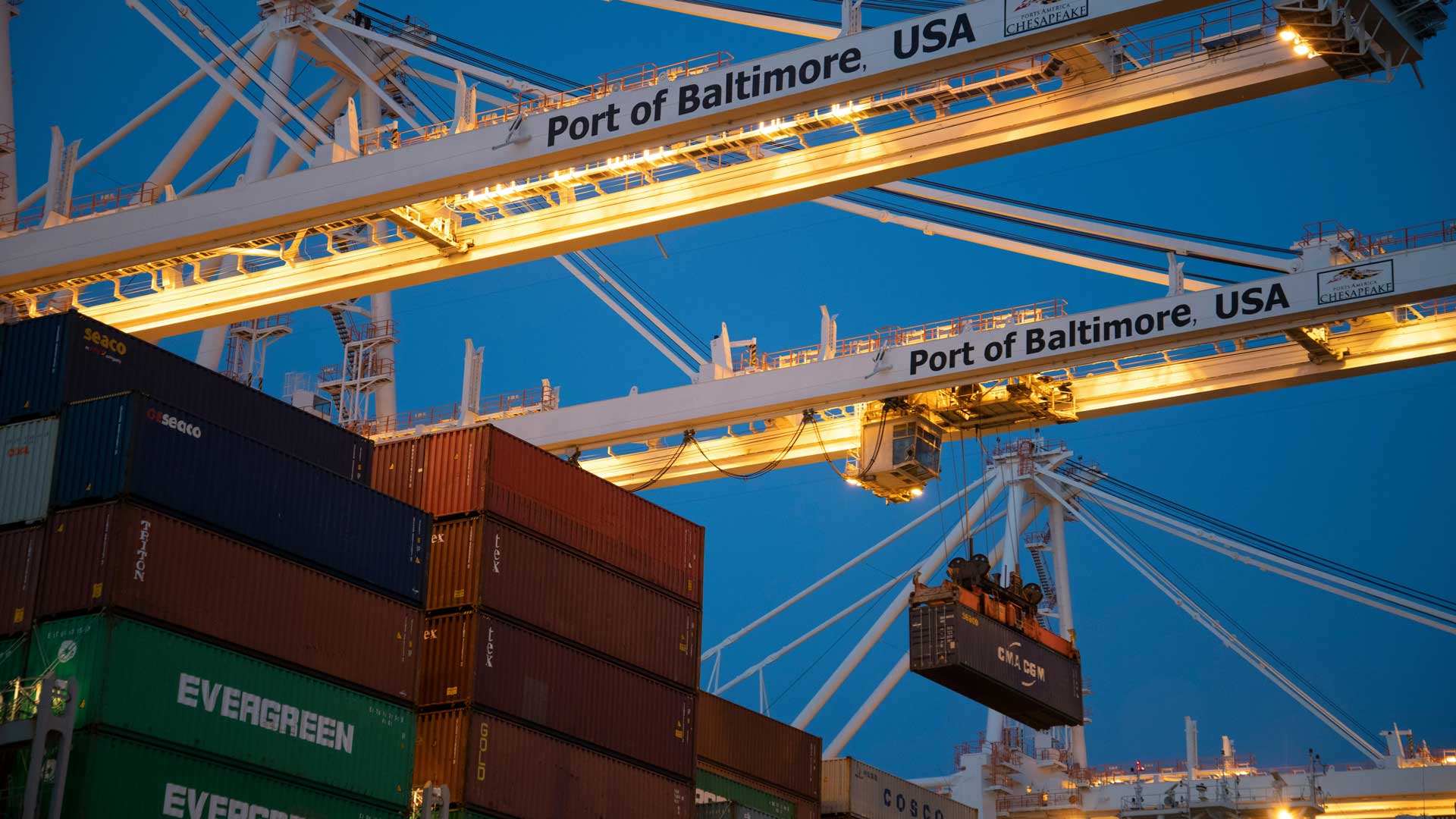
Backlogged containers and full warehouses
In China, many U.S.-bound orders have been cancelled—but some were already in transit and are now clogging port terminals. Meanwhile, in the United States, importers who were unable to stop incoming shipments must now pay the new duties—often without the liquidity to do so. For many small and medium-sized businesses, already operating on tight margins, this creates a serious threat to survival and increases pressure on day-to-day operations.
Asia Pacific Leads the Recovery
According to the National Retail Federation, U.S. imports could drop by at least 20% in the second half of 2025. Many companies had stockpiled goods in advance to mitigate the impact of tariffs, but that strategy is proving unsustainable. On a broader scale, The Conference Board forecasts a 1.2% contraction of the U.S. economy if tariffs remain in place throughout 2025, with unemployment rising from 4.2% to 4.7% and over one million jobs at risk.

First exemptions and new measures ahead
On April 11, the U.S. administration issued a memorandum exempting several product categories related to semiconductors from the reciprocal tariffs, expanding a previous Executive Order from April 2. The new exclusions include smartphones, computers, and electronic components. Duties already paid on these goods between April 5 and 11 may be refunded upon request to U.S. customs authorities.
However, on April 13, the administration announced that these same products may soon be subject to additional restrictions. The goal is to discourage overseas production and bring manufacturing back to U.S. soil. This move echoes similar trade measures already applied to steel, aluminum, and the automotive sector—proof that the tariff war is far from over.

Don't miss out—subscribe to our newsletter to get the latest news!
You might like also

Container Freight Rates Rising
Maritime transport under renewed pressure from demand and capacity imbalance

Hormuz Back in Focus
The strait reopens, but global logistics remains under pressure

Galliano at the INO Summit
International networking and project cargo at the heart of the OPCA event

Opposition to the parcel tax
Confetra reiterates concerns over Italy’s import duty on non-EU e-commerce parcels