
US duties, new consequences
The temporary suspension of tariffs on Chinese imports fuels demand and unsettles the container shipping industry.
The U.S. government’s decision to suspend tariffs on Chinese imports for 90 days has sent shockwaves through the maritime transport sector. The measure, aimed at reviving trade flows slowed by April’s tariff hike announcement, triggered a swift reaction from the market.
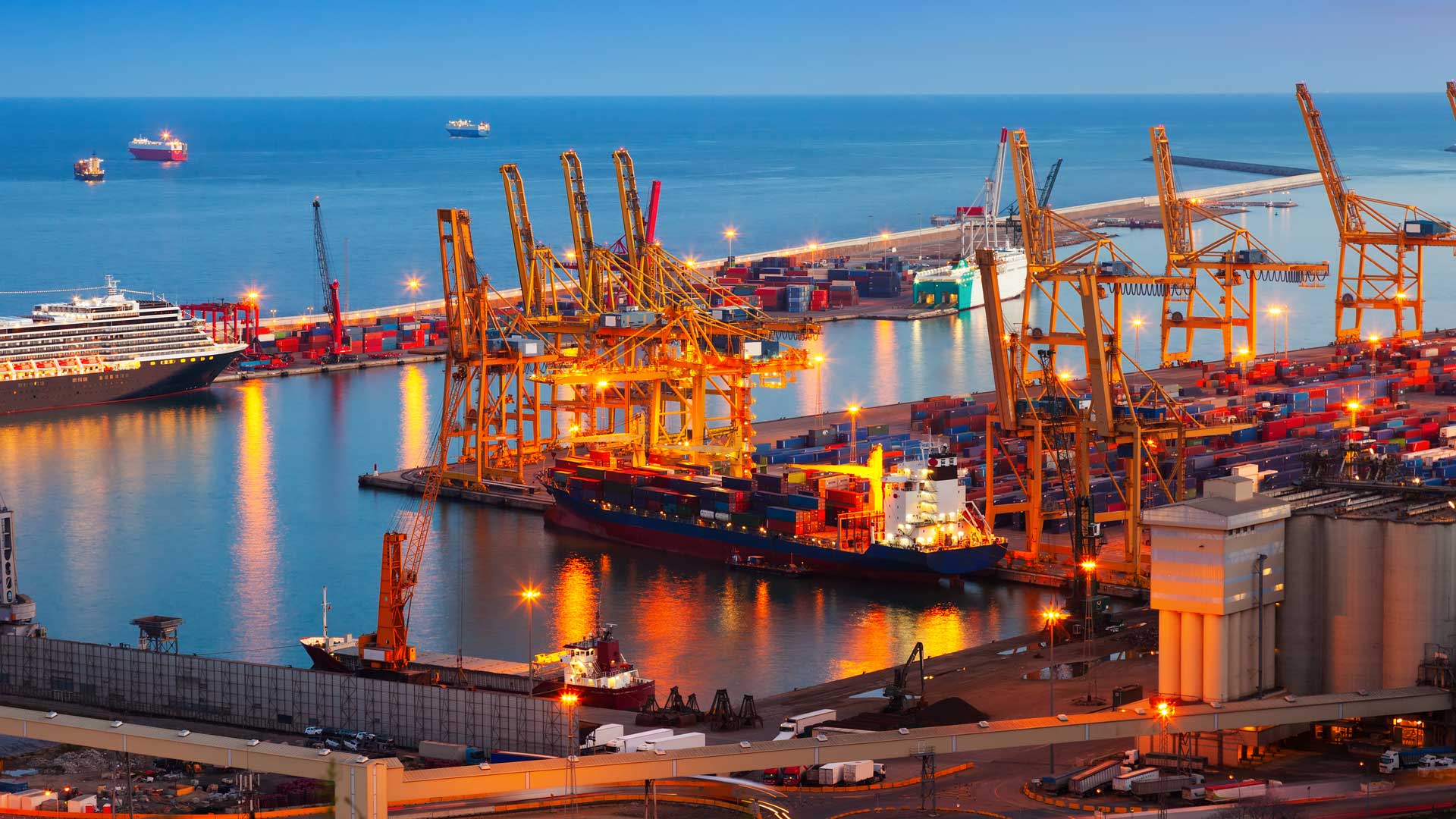
Shippers are rushing to export goods before the deadline, leading to a sudden spike in demand along the transpacific trade lane.

Rising Demand Meets Limited Capacity
According to Xeneta, export volumes from China to the U.S. surged earlier than expected, with a noticeable peak at the end of Q2. Given the average 22-day transit time, importers are racing against the clock to capitalize on the temporary reprieve. Complicating matters, carriers had recently cut capacity on U.S.-bound routes, reallocating tonnage to Asia–Europe services.
Increasing freight rates
After months of steady decline, spot rates are climbing again. Between January 1 and May 12, spot rates had dropped 56% on the U.S. West Coast route and 48% on the East Coast. But a first uptick came in April, following the tariff hike announcement. With volumes rising and capacity still tight, analysts expect freight rates to stay elevated through mid-summer.
Flexibily is the key
While this tense phase may not last long, it requires maximum responsiveness. The current scenario also reinforces a broader shift toward supply chain diversification, with growing interest in Southeast Asia and near-shoring strategies in Mexico.
Photo Credits: Unsplash
Iscriviti alla nostra newsletter per non perdere le ultime notizie e approfondimenti direttamente nella tua casella di posta.
You might like also

Container Freight Rates Rising
Maritime transport under renewed pressure from demand and capacity imbalance

Hormuz Back in Focus
The strait reopens, but global logistics remains under pressure

Galliano at the INO Summit
International networking and project cargo at the heart of the OPCA event

Opposition to the parcel tax
Confetra reiterates concerns over Italy’s import duty on non-EU e-commerce parcels