
Connectivity in global container ports
Productivity and sustainability drive the international scene
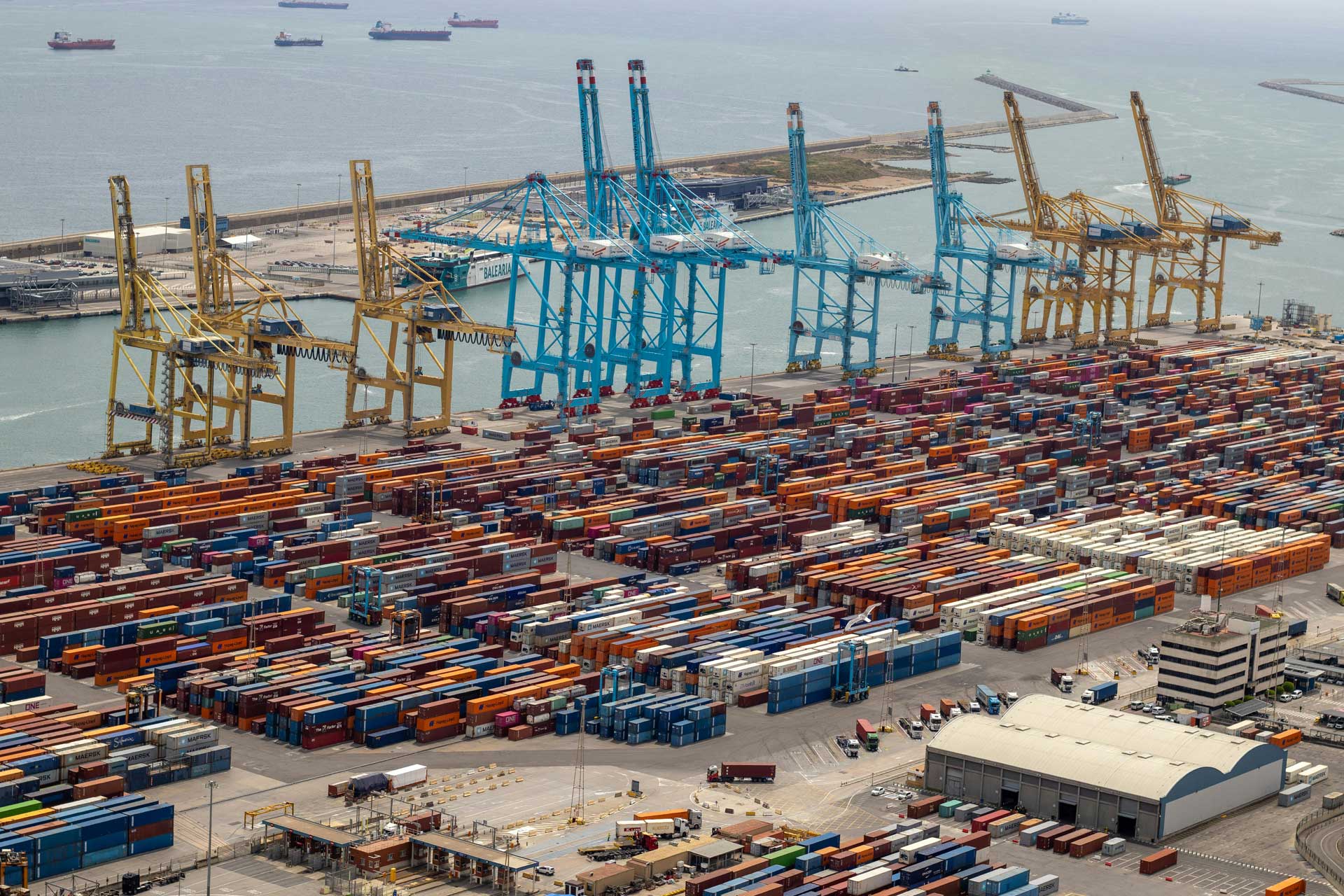
The report “The Leading Container Ports of the World 2025,” produced by DNV and Menon Economics, shows how competition between container ports is evolving. Volumes and capacity remain important, but today connectivity, real productivity, and sustainability strategies carry more weight. Asian ports maintain their leadership in long-haul networks and connections with major global carriers, while significant differences are emerging in the levels of operational efficiency and environmental policies adopted by different regions.
Connectivity: the real competitive factor
According to the report, connectivity remains the most distinctive parameter. Singapore, Shanghai, Ningbo-Zhoushan, Qingdao, and Shenzhen all serve the world's top fifteen shipping companies, ensuring stable flows even in variable market conditions. In contrast, major European and North American ports – such as Rotterdam, Antwerp, Los Angeles, and New York/New Jersey – have more selective networks, ranking around 28th in terms of the number of carriers served. The UNCTAD index also confirms Shanghai as the world's leading port in terms of the number of active connections.

Sustainability as a strategic lever
The chapter on sustainability reveals very diverse scenarios. Los Angeles leads the electric transition of docks with 40 megawatts of capacity, followed by Hamburg with 30 megawatts. In terms of emissions, Shenzhen is the most efficient port per container handled, demonstrating how operational optimization remains one of the main drivers of environmental impact reduction.
Regional trends in Europe, the Americas, and the Middle East
Regional trends are very different. In North America, New York/New Jersey remains the leading port for access to consumer markets, while Savannah is experiencing the fastest growth on the East Coast. In Europe, Rotterdam continues to lead the way thanks to the adoption of advanced digital technologies. In the Middle East, Jebel Ali remains the benchmark, while Khalifa Port stands out with a traffic increase of over 57% in three years.
Photo Credits: Pexels, Trasporto Europa
Iscriviti alla nostra newsletter per non perdere le ultime notizie e approfondimenti direttamente nella tua casella di posta.
You might like also

Container Freight Rates Rising
Maritime transport under renewed pressure from demand and capacity imbalance

Hormuz Back in Focus
The strait reopens, but global logistics remains under pressure

Galliano at the INO Summit
International networking and project cargo at the heart of the OPCA event

Opposition to the parcel tax
Confetra reiterates concerns over Italy’s import duty on non-EU e-commerce parcels