
New Battery Rules
From March 7, 2026, regulatory and logistics management changes for the sector
As of March 7, 2026, the new Legislative Decree No. 29 has entered into force, implementing the European Batteries Regulation and introducing a legal framework set to significantly impact production, import, distribution, and end-of-life management.
This is a major reform for all companies involved in the supply chain, with new obligations regarding compliance, traceability, and environmental responsibility. For businesses operating in international transport and supply chain management, understanding these changes is essential to ensure operational continuity and regulatory compliance.
A new regulatory framework for the battery sector
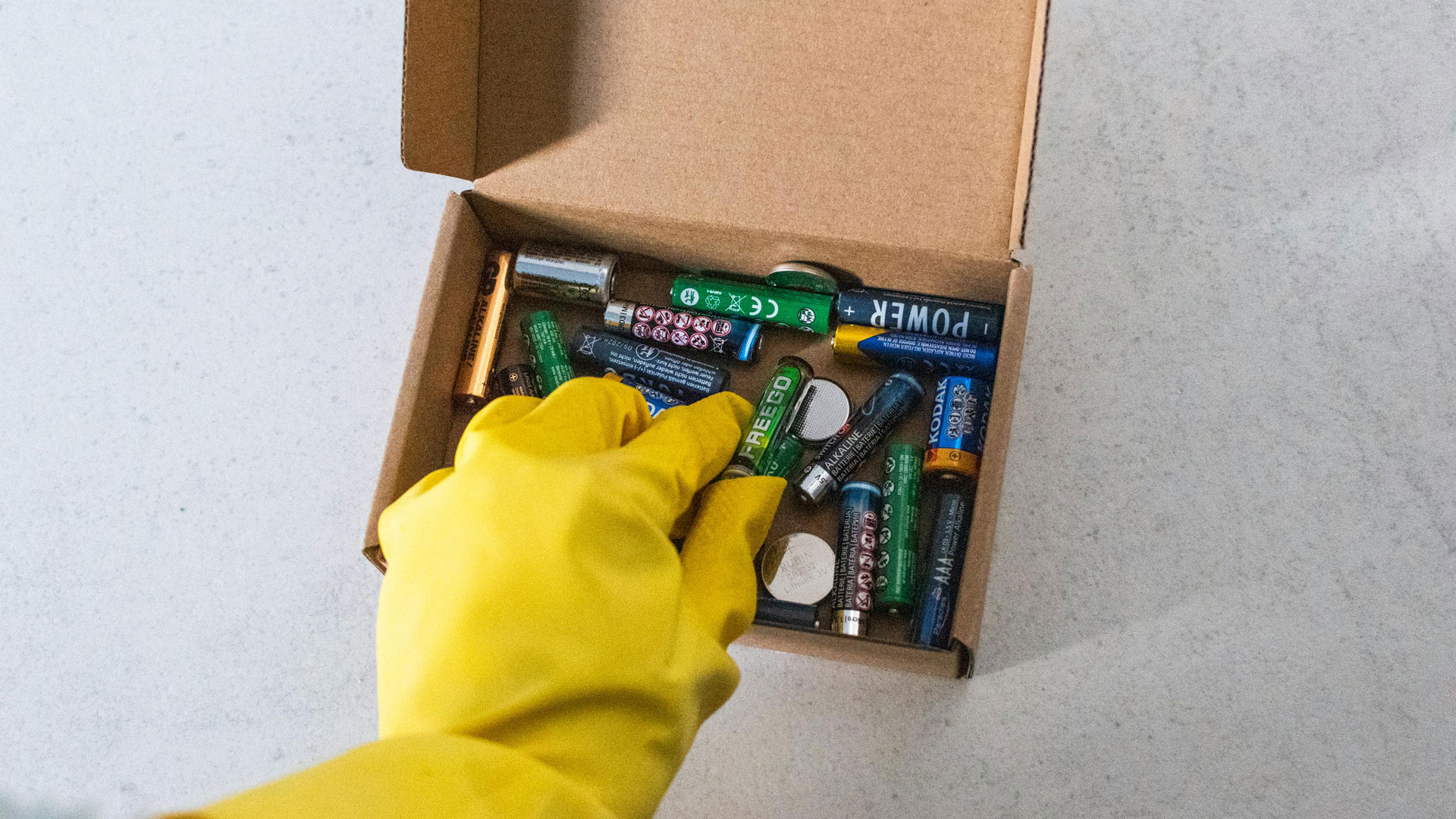
Legislative Decree No. 29 expands the scope of the rules and introduces a more detailed classification of batteries placed on the market. In addition to products intended for portable devices, the regulation also covers batteries for industrial use, light mobility systems, and electric vehicles.
The European objective is to create a more efficient and sustainable management system for the entire battery life cycle, from production to final collection. This approach directly involves manufacturers, importers, distributors, and logistics operators, all required to handle goods subject to increasingly strict technical requirements.

Producer responsibility and new National Register
One of the key aspects of the reform is the strengthening of the principle of Extended Producer Responsibility (EPR). Companies placing batteries on the market will be required to contribute more systematically to collection, recycling, and recovery systems.
Among the most significant new measures is the introduction of the National Register of Producers, a mandatory requirement for operating legally in Italy. Registration therefore becomes a fundamental step for product commercialization and proper document management.
More controls, compliance, and logistics impact
The new decree also introduces specific obligations regarding CE marking, technical documentation, safety, and traceability, together with a more structured penalty system for non-compliant operators.
For the logistics sector, this means greater attention in shipment management, especially for international transport of lithium batteries and products classified as sensitive goods. Accurate documentation, updated procedures, and experienced partners become essential elements to avoid delays, customs holds, or compliance issues.
Photo Credits: Pexels
Iscriviti alla nostra newsletter per non perdere le ultime notizie e approfondimenti direttamente nella tua casella di posta.
You might like also

Container Freight Rates Rising
Maritime transport under renewed pressure from demand and capacity imbalance

Hormuz Back in Focus
The strait reopens, but global logistics remains under pressure

Galliano at the INO Summit
International networking and project cargo at the heart of the OPCA event

Opposition to the parcel tax
Confetra reiterates concerns over Italy’s import duty on non-EU e-commerce parcels